
Show Barn Fashion: What the Pros Are Wearing This Season
The barn aisle, the schooling ring, the in-gate — competitive equestrian style has a language of its own. Here's what's defining the look at the top levels this season.
There's a moment at every major show — Grand Prix showjumping, CDI dressage, any event where the best in the sport are competing — where the barn aisle itself becomes a runway. Not intentionally, not performatively, but because the people who live in this world have developed an aesthetic that is entirely their own. Functional, precise, occasionally extravagant, and always deeply considered.
If you pay attention at the top levels, certain patterns emerge. Here's what we're seeing this season.
The breeches-as-statement moment
Competition whites remain the standard in the ring. Outside of it, breeches have become one of the most expressive pieces in the equestrian wardrobe. This season, rust, sage, and deep forest green are showing up consistently at the schooling ring and the in-gate. Technical fabrics with subtle texture — a slight sheen, a contrast knee patch — are everywhere.
The fit has gotten slimmer at the ankle without losing the traditional silhouette through the seat and thigh. Brands that have been doing this for a century and newer names focused on performance fabrics are both having a moment.
Polos: the quiet anchor
The show polo shirt is not a flashy piece, but it does a lot of work. At the Grand Prix level, you'll see trainers and grooms in perfectly pressed polos in barn colors — often monogrammed, often in a technical fabric that handles warmup-ring sweat and a long day in the sun. This is a piece that rewards investment.
Embroidered barn crests have made a quiet comeback. There's something satisfying about a simple logo on a well-fitted polo — it signals belonging, history, identity.
Boots off the horse
Tall boots remain the standard in the ring. Off the horse, paddock boots and half chaps have gotten more refined — cleaner lines, richer leathers, less bulk. At the same time, there's been a shift toward quality leather sneakers and loafers in barn colors for trainers who are on their feet all day and need both function and form.
The boot sock has also had a renaissance. Patterned, thicker, often with a subtle equestrian motif — it's a small detail that shows up in every candid photo from the in-gate.
The sun hat has arrived
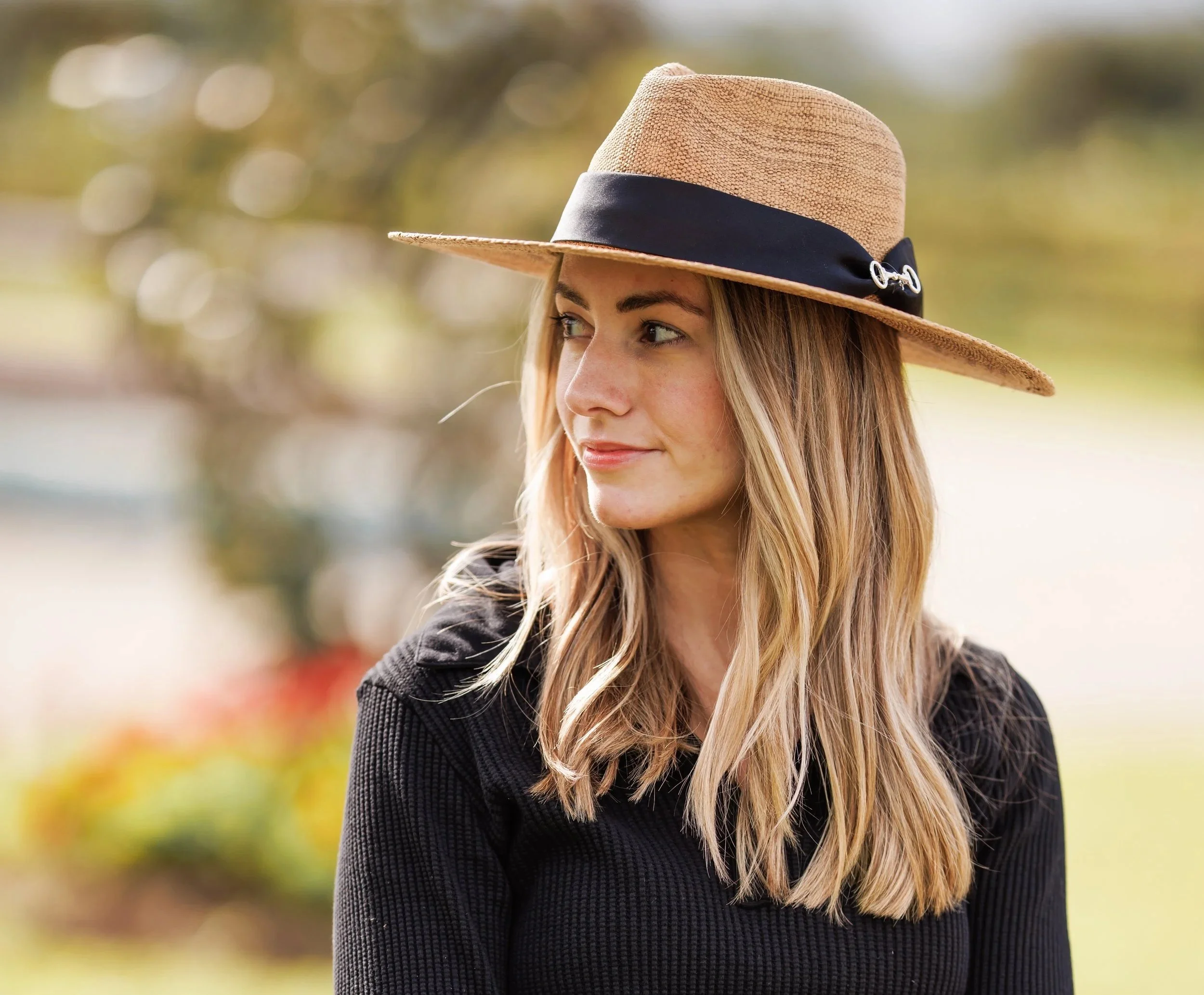
It was only a matter of time. The wide-brimmed hat has moved from an afterthought to a considered piece in the top-barn wardrobe. At Grand Prix events in Florida, California, and Europe, you'll see trainers, owners, and grooms in structured sun hats that have clearly been chosen, not grabbed.
The Riata hat fits this moment precisely. It's the original equestrian sun hat — structured enough to look intentional, practical enough to survive a day at the show grounds, and built with the kind of quality that people at this level of the sport recognize immediately. There's a reason the imitations exist: the original set the standard.
What ties it all together
At the top levels, what makes the look work isn't any single piece — it's coherence. Colors that coordinate across the barn, pieces that have been maintained and cared for, an overall sense that nothing was an afterthought. It's not about spending more; it's about choosing well and wearing it with intention.
That's the equestrian aesthetic in a sentence. And it's as true in the schooling ring at a local show as it is at the Grand Prix.
Watch carefully next time you're at a top-level event. The sport's style tells you everything about how seriously these people take every detail — from the horse's turnout to their own.
What to Wear as a Dressage Spectator (And Why You'll Want Shade)
Dressage shows are long, beautiful, and almost entirely outdoors. If you're there to watch, cheer, or coach — here's how to dress for the day.
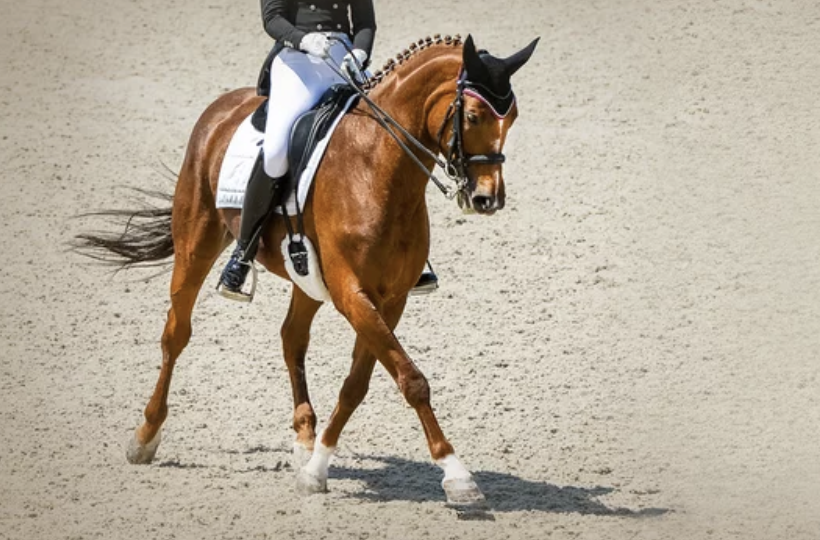
A dressage show is not a quick affair. From the first test of the morning to the Grand Prix freestyle in the afternoon, a full day at the arena can run eight, ten, sometimes twelve hours. The sport rewards patience and attention — from the riders, yes, but also from everyone on the ground who comes to support them.
If you're attending as a spectator, a groom, a trainer watching from the rail, or someone who simply loves the sport, knowing what to wear makes the difference between a comfortable, enjoyable day and a miserable one.
Understand the environment
Most dressage arenas — especially at recognized shows — are outdoors, with some combination of sand, grass, and bleachers. The footing is immaculate; your footwear needs to be sensible. You'll be walking between arenas, standing at the rail, sitting in the sun, and potentially moving quickly if schedules shift.
The sun is the factor most people underestimate. You're not moving much, which means you're absorbing more of it. A show that starts at 8am and runs past 4pm is a full day of UV exposure, often in open fields with minimal tree coverage.
What actually works
The equestrian world has its own aesthetic — and dressage in particular tends toward the classic and refined. Spectators at upper-level shows often reflect that. But there's no reason to sacrifice function for form.
Linen and lightweight fabrics keep you cooler and look intentional. Opt for neutral tones — navy, cream, camel, sage — that read as put-together without being overdressed for a field setting. Avoid anything that requires ironing midday or can't survive a bit of dust.
Footwear should be flat and stable. This is not a fashion week sidewalk — it's a grass arena with uneven ground, fencing to lean on, and occasional puddles from morning watering. Loafers, riding boots, or clean sneakers all work. Stilettos and open-toed sandals do not.
A wide-brimmed hat is one of those pieces that looks deliberate and elegant while doing serious work. At a dressage show, it fits the setting perfectly — and it's doing more for you than any SPF alone can manage.
The rail culture
There's a particular etiquette to watching dressage from the rail. You move quietly between tests, you don't shout, and you study the horse and rider with genuine attention. It's a contemplative environment — which means your outfit should allow you to stand still for extended periods in comfort.
Layers are important. Morning warmup sessions can be cool, especially in spring and fall. By afternoon the sun has usually been at work for hours. A light jacket or wrap you can tie around your waist gives you flexibility without having to carry a bag everywhere.
A note on cameras
If you're there to photograph or simply want to keep your hands free, a small crossbody bag is worth the consideration. It keeps essentials — phone, sunscreen, schedule, lip balm — accessible without requiring a tote bag that has to be set down every time you move to a different rail.
Dressage is one of the most beautiful equestrian disciplines to watch. Dress like someone who plans to be there all day — because you will be, and you'll be glad you prepared for it.
BLOG POST 3
Show Barn Fashion: What the Pros Are Wearing at Grand Prix This Season
The barn aisle, the schooling ring, the in-gate — competitive equestrian style has a language of its own. Here's what's defining the look at the top levels this season.
There's a moment at every major show — Grand Prix showjumping, CDI dressage, any event where the best in the sport are competing — where the barn aisle itself becomes a runway. Not intentionally, not performatively, but because the people who live in this world have developed an aesthetic that is entirely their own. Functional, precise, occasionally extravagant, and always deeply considered.
If you pay attention at the top levels, certain patterns emerge. Here's what we're seeing this season.
The breeches-as-statement moment
Competition whites remain the standard in the ring. Outside of it, breeches have become one of the most expressive pieces in the equestrian wardrobe. This season, rust, sage, and deep forest green are showing up consistently at the schooling ring and the in-gate. Technical fabrics with subtle texture — a slight sheen, a contrast knee patch — are everywhere.
The fit has gotten slimmer at the ankle without losing the traditional silhouette through the seat and thigh. Brands that have been doing this for a century and newer names focused on performance fabrics are both having a moment.
Polos: the quiet anchor
The show polo shirt is not a flashy piece, but it does a lot of work. At the Grand Prix level, you'll see trainers and grooms in perfectly pressed polos in barn colors — often monogrammed, often in a technical fabric that handles warmup-ring sweat and a long day in the sun. This is a piece that rewards investment.
Embroidered barn crests have made a quiet comeback. There's something satisfying about a simple logo on a well-fitted polo — it signals belonging, history, identity.
Boots off the horse
Tall boots remain the standard in the ring. Off the horse, paddock boots and half chaps have gotten more refined — cleaner lines, richer leathers, less bulk. At the same time, there's been a shift toward quality leather sneakers and loafers in barn colors for trainers who are on their feet all day and need both function and form.
The boot sock has also had a renaissance. Patterned, thicker, often with a subtle equestrian motif — it's a small detail that shows up in every candid photo from the in-gate.
The sun hat has arrived
It was only a matter of time. The wide-brimmed hat has moved from an afterthought to a considered piece in the top-barn wardrobe. At Grand Prix events in Florida, California, and Europe, you'll see trainers, owners, and grooms in structured sun hats that have clearly been chosen, not grabbed.
The Riata hat fits this moment precisely. It's the original equestrian sun hat — structured enough to look intentional, practical enough to survive a day at the show grounds, and built with the kind of quality that people at this level of the sport recognize immediately. There's a reason the imitations exist: the original set the standard.
What ties it all together
At the top levels, what makes the look work isn't any single piece — it's coherence. Colors that coordinate across the barn, pieces that have been maintained and cared for, an overall sense that nothing was an afterthought. It's not about spending more; it's about choosing well and wearing it with intention.
That's the equestrian aesthetic in a sentence. And it's as true in the schooling ring at a local show as it is at the Grand Prix.
Watch carefully next time you're at a top-level event. The sport's style tells you everything about how seriously these people take every detail — from the horse's turnout to their own.
The Show Day Toolkit: Everything You Need from Trailer to Ringside
For competitive riders, show day is equal parts excitement and logistics. Here's how to make sure you arrive prepared — from the moment you load up to the minute your number gets pinned.
There's a particular kind of chaos that lives in the hours before a competition. The trailer is packed, the horse is braided, the schedule has already changed twice — and somehow, you still forgot something. Whether you're competing in showjumping or dressage, the margin between a smooth show day and a stressful one usually comes down to preparation. This checklist is designed to close that gap.
At the trailer
Before you even leave the barn, your trailer setup is your first line of defense. Pack your hay net the night before so your horse has something to munch on during the drive. Keep a dedicated show trunk or tack trunk so nothing gets hunted for in a rush.
Essentials to have packed and confirmed:
• Coggins and health papers (keep them in a ziplock bag in the same spot every time)
• Horse's medications, supplements, and a first aid kit
• Water bucket and a few gallons of water from home if your horse is picky
• Extra lead ropes, cross-ties, and a spare halter
• Fly spray, sunscreen, and grooming supplies for touch-ups
In the warmup area
The schooling ring is where you tune up — and it's also where you spend a surprising amount of time waiting, watching, and staying warm yourself. Dress for the conditions, not just the class.
• Your schooling attire should be functional and polished. Competition whites stay in the bag until you're minutes out.
• Bring a lightweight cooler or quarter sheet for your horse during breaks between classes
• A small bag with your phone, your ride times printed out, and a snack for yourself goes a long way
• Sunscreen is non-negotiable for an outdoor show. Reapply every two hours — especially if you're coaching or watching from the rail between rounds
Ringside essentials
Once you're at the in-gate, things move fast. Everything you need should be within arm's reach — ideally handed off by a trusted ground person.
• Number holder and pinned number (know which direction your number faces for the judge)
• A hoof pick tucked in a pocket for last-minute cleanup
• Your whip, if permitted for your division, checked against current rulebook specs
• A spray bottle of water to freshen up the horse's coat on a hot day
• For dressage: a printed test if you're having it read, or a clear mental map if you're riding from memory
For the long haul
Multi-day shows and big competitions require a different level of thinking. Plan for meals (your own, not just your horse's), a chair or folding stool for watching other rounds, and enough clothing layers for morning and afternoon temperature swings.
A good sun hat becomes less of a style choice and more of a survival strategy when you're spending eight hours outdoors. The Riata hat in particular was built with exactly this kind of day in mind — staying put, looking sharp, and doing its job while you focus on yours.
The best show days are the ones where nothing is scrambled for. Build your system, pack it the night before, and let the preparation handle itself so you can show up and ride.

Caring for Straw & Trimmed Equestrian Hats: Keep Yours Beautiful for Seasons
A well-made equestrian hat should last for years — if you treat it right. Straw hats and hand-trimmed details don’t need complicated care, but they do need consistent, gentle habits.
Here’s a simple, rider-friendly care guide so your hat stays crisp, shaped, and show-ready.
1. Store It Like You Mean It
Do:
store on a flat surface or in a hat box
keep it away from damp tack rooms
let it breathe (not sealed in plastic)
Don’t:
hang it by the brim
crush it under gear bags
store it in direct sun or heat
A brim left under weight will warp over time — even high-quality straw.
2. Travel Without Crushing the Crown
If you’re on the circuit, your hat needs a plan.
Best method:
use a structured hat box
pack soft items around it, not on it
keep it on top of your car/trailer packing stack
If you’re flying, carry it on or use a hard-sided case.
3. Sweat Happens — Here’s How to Handle It
After hot days:
wipe the inner band with a clean, dry cloth
let the hat air out fully before storing
avoid leaving it in a hot car
You want to prevent moisture buildup that can soften straw and loosen trim.
4. Spot-Clean Only
For dust or barn life:
use a soft brush or dry cloth
for small marks, a barely damp cloth is ok
never soak the straw
Straw hates being fully wet — it can lose shape.
5. Protect the Trim
Trim is part of what makes your hat yours.
Care tips:
avoid snagging on Velcro, zippers, or hay nets
don’t spray perfume or sunscreen directly on trim
if it gets dusty, a soft dry cloth is enough
6. Reshape Gently If Needed
If your brim gets a little off:
use clean hands to gently ease it back
don’t force sharp bends
avoid heat tools unless instructed by the maker
Structured brims hold best when reshaped slowly.
Final Thoughts
A Riata hat is meant to be worn — not babied. With simple storage and gentle cleaning, it’ll stay beautiful through countless show seasons, barn days, and sunny rides.
✨ Looking for a hat you’ll love for years?
Shop Riata Designs here.
The Best Equestrian Sun Hats for Show Days (and Every Barn Day in Between)
If you ride, you already know the sun hits different at the barn. Between long show mornings, hours at ringside, and afternoons schooling outside, your face and scalp soak up more UV exposure than most people realize. A great equestrian sun hat isn’t just a cute accessory — it’s performance gear that protects your skin, keeps you cooler, and finishes your look like a pro.
So how do you choose the right one?
Below is a rider-approved guide to finding the best sun hat for equestrian life — whether you’re headed to a hunter/jumper show, a schooling day at home, or a tailgate with friends.
Why Riders Need Real Sun Protection (Not Just “A Hat”)
Most standard fashion hats aren’t designed for the way riders live:
they’re too floppy or too stiff
they don’t breathe in heat and humidity
they blow off in wind
they lack true UV protection
they don’t work with show-day hair (hello bun)
The right equestrian hat needs to be functional first — while still looking elevated enough for showgrounds, hospitality tents, and post-ride brunch.
Here’s what matters most.
What to Look for in a Great Equestrian Sun Hat
1. UPF Protection That’s Actually Rated
Not all hats offer the same UV protection. Look for a UPF 50+ rating, which blocks about 98% of UV rays. That’s hugely important during long outdoor days where sunscreen alone isn’t enough.
Pro tip: hats with wider brims provide better facial and neck coverage, especially at midday shows.
2. A Secure Fit for Wind, Walking, and Ringside Chaos
Showgrounds are windy. Barn aisles are busy. And you’re constantly moving — between stalls, warm-up rings, vendors, and friends.
A good sun hat should stay on your head without constant readjusting. Features like:
hidden adjustable interior ties
structured but flexible crowns
lightweight materials that don’t shift
make a huge difference in comfort and confidence.
3. Breathable Materials That Don’t Trap Heat
If you’ve ever worn a heavy hat on a July weekend show, you know how miserable it can get.
Look for hats designed with:
lightweight straw or woven natural fibers
airflow through the crown
trim that’s decorative and functional
Breathable hats lower perceived temperature and help prevent headaches and fatigue from heat exposure.
4. Brim Shape That Matches Your Riding Life
Different equestrian days call for different brim styles:
Wide flat brim (classic derby style)
Best for: hunter/jumper shows, VIP tents, long ringside days
Why: maximum shade + timeless show aesthetic
Fedora or sculpted brim
Best for: casual riding days, clinics, travel
Why: structured and polished without being formal
Visor styles
Best for: quick hacks, schooling, hot weather barn chores
Why: sporty, breathable, and easy to toss on
Think of brim shape as a tool — not just a look.
Show-Day Styling: How Riders Wear Sun Hats Now
Modern equestrian fashion is all about being effortless and functional. Riders are pairing sun hats with:
tailored show-grounds outfits
airy dresses + boots
linen sets for warm weather circuits
denim + button-downs for casual barn days
And the best hats are the ones you can wear all day without feeling like you’re in costume.
If you want a hat that looks right at home next to the ring and also at dinner afterward, go for a clean silhouette with distinctive trim — subtle, but special.
The Riata Difference: The Original Equestrian Sun Hat
Riata Designs hats were created specifically for equestrian life — not adapted from generic fashion styles. That’s why riders love them for show circuits, barn days, and everything in between.
Each hat is made to give you:
UPF-rated sun protection
secure fit that stays on
breathable comfort in heat
timeless equestrian style
custom trim options for personal flair
If you’ve ever struggled to find a hat that feels made for your world, this is exactly why Riata exists.
👉 Shop the Riata collection here
FAQs Riders Ask Before Buying a Sun Hat
“Will this stay on in wind?”
A well-built equestrian hat should fit securely with adjustable internal sizing and a structured crown. If you’re constantly holding your hat, it’s not the right one.
“Is UPF really necessary if I wear sunscreen?”
Yes. Sunscreen wears off. You sweat. You forget to reapply. UPF hats add a physical barrier that protects your skin all day.
“Can I wear this at a hunter/jumper show?”
A structured brim, neutral tone, and elevated trim make a sun hat show-appropriate for ringside and hospitality spaces.
“How do I pack it for travel?”
Use a hat box or structured carry-on. Avoid crushing brims under heavy items. (Internal link: care/FAQ page if you have one.)
Final Thoughts: The Best Hat Is the One You’ll Actually Wear
The truth is, sun protection only helps if you use it consistently. The best equestrian sun hat is the one that feels great and makes you want to put it on every time you walk out to the barn.
When your hat fits right, breathes well, and looks perfect for your lifestyle, you don’t think about it — you just ride, show, and live in it.
✨ Ready to find your show-day (and barn-day) essential?
Browse Riata Designs hats here.
What to Wear to a Horse Show: A Spectator Style Guide That Works All Day
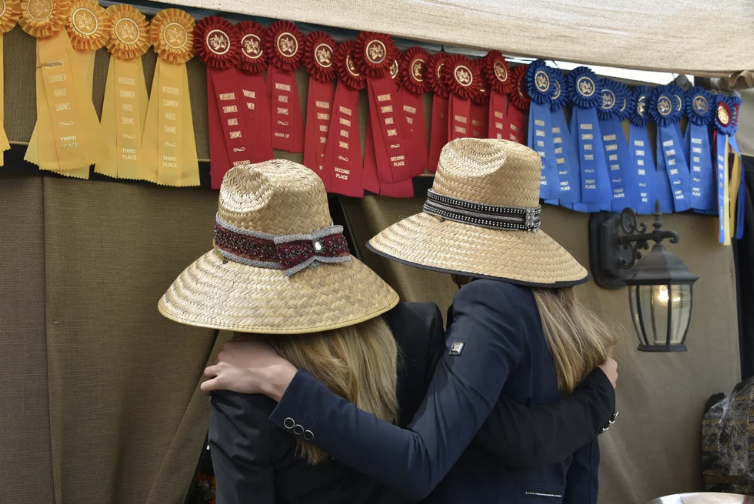
Horse shows are their own universe: part sport, part social event, part endurance test in the sun. Whether you’re there to support a friend, shop vendors, or spend the weekend ringside, you want an outfit that looks polished and holds up for long outdoor hours.
Here’s a practical, rider-adjacent guide to what to wear to a horse show — from early schooling classes to golden-hour grands prix.
Start With the Reality: You’ll Be Outside for Hours
Even if you plan to pop in “just for a few classes,” shows expand. You’ll walk more than you think, sit in the sun, and move between rings, barns, and vendor rows.
So your outfit needs:
sun protection
breathable layers
shoes you can actually walk in
a bit of showground polish
The Foundation Outfit: Easy, Elevated, Barn-Proof
Option A: Linen or Cotton Set
A matching lightweight set reads chic without trying too hard.
Why it works:
breathable in heat
easy to move in
elevated enough for VIP spaces
Style with: a structured tote, a polished hat, and neutral, closed-toes shoes.
Option B: A Simple Dress + Unfussy Layers
A midi dress in cotton, linen, or performance fabric is a showground staple.
Look for:
wider straps
not too flowy in wind
fabric you can sit in on bleachers
Add a cropped jacket or light knit for morning chill.
Option C: Tailored Shorts/Skirt + Airy Button Down
If you like a more structured vibe, this one nails it.
Tips:
choose longer inseams for comfort
avoid fabrics that wrinkle instantly
go for light colors that don’t absorb heat
The Non-Negotiable Accessory: A Real Equestrian Sun Hat
You can build the cutest outfit in the world, but if you’re squinting and roasting by noon, it stops being fun.
A good equestrian sun hat should:
be UPF-rated
stay on in wind
feel breathable
look at home at ringside
This is why many show regulars swear by structured derby brims and lightweight straw hats.
👉 Browse show-ready sun hats here
Shoes: Think “Miles of Walking”
You’ll walk across gravel, grass, pavement, and maybe a little mud.
Best picks:
leather slides with a supportive sole
low wedges that don’t sink into grass
clean sneakers for casual days
Avoid: flimsy flip flops, stilettos, anything that blisters fast.
Bags: Big Enough for Show Life
You will end up carrying:
sunscreen
water
a sweater
snacks
maybe a ribbon, maybe your friend’s jacket
Go with:
structured tote
crossbody that fits a bottle
straw bag + inner pouch (cute and practical)
Quick Horse Show Outfit Checklist
Before you leave:
✅ breathable base layer
✅ hat with real UPF
✅ walkable shoes
✅ water + sunscreen
✅ light layer for morning/evening
Final Thoughts
Horse show style is about looking effortless while being prepared for the outdoors. If you feel comfortable, protected, and pulled together, you’ll enjoy the day so much more.
✨ Want a hat that works for showgrounds and life after the ring?
Shop Riata Designs here.
How to Choose the Right Hat Brim for Your Riding Life
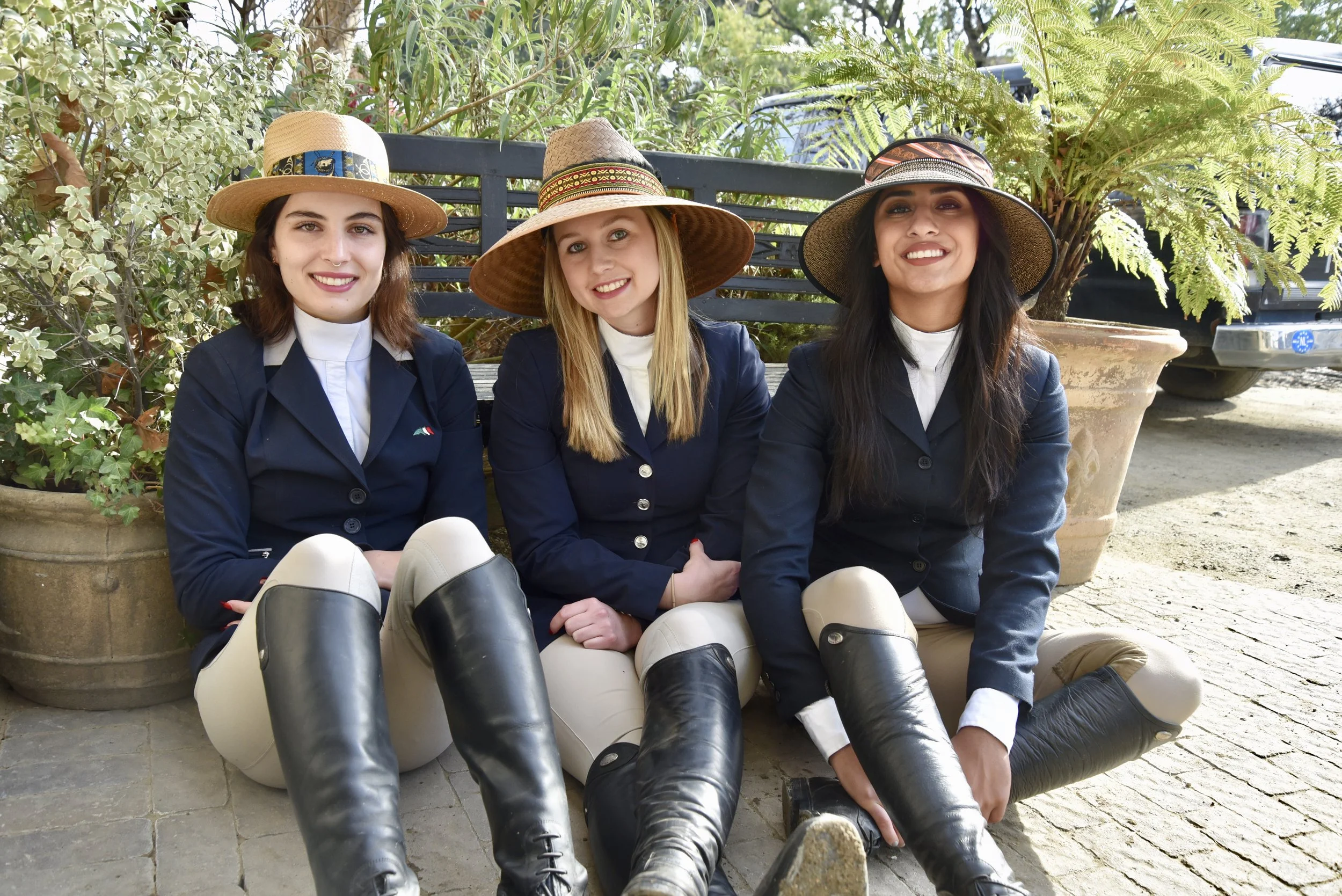
Not all brims are created equal — especially in the equestrian world. The shape of your brim changes how much sun protection you get, how your hat wears in wind, and how it pairs with your show-day outfits.
If you’ve ever tried on a hat and thought “I love it, but will I actually wear it?” this guide is for you.
Why Brim Shape Matters
A brim affects three things:
sun coverage (face, ears, neck, shoulders)
comfort (weight, airflow, shade)
style (show-appropriate vs casual)
So the right brim is less about trends and more about lifestyle.
The Classic Wide Brim
Best for:
hunter/jumper shows
long ringside days
hospitality tents
anyone who wants maximum shade
Why riders love it:
big, even coverage
timeless equestrian silhouette
reads “showgrounds polished” instantly
If your calendar includes multi-day circuits, this is the MVP brim.
Medium Structured Brim (Derby Style)
Best for:
clinics
travel shows
schooling days
casual show outings
Why it works:
shade without feeling oversized
stays stable in wind
pairs with casual outfits easily
Great if you want one hat that transitions from barn to town.
Visor Brim (Sporty + Minimal)
Best for:
hot summer schooling
quick barn chores
riders who want airflow above everything
Why riders choose it:
super breathable
easy to store
low-commitment shade
It’s not your “VIP tent” hat, but it’s a daily driver.
How to Decide in 30 Seconds
Ask yourself:
Where will I wear this most?
How many hours will I be outside?
Do I want a “statement” look or quiet polish?
Is wind a factor at my home/showgrounds?
If you want one truly do-it-all option, choose a structured wide or medium brim with an adjustable fit.
Final Thoughts
Your best brim is the one that fits your real weeks — not your fantasy show day. When the brim matches your riding life, you’ll actually grab it every time you head outside.
✨ Ready to find your perfect brim?
Explore the Riata collection.

Do I really need to use sun protection in the winter?
A hat and sunscreen are just as crucial in the colder months as they are in the summer.
When most people think of winter, they often associate it with cold weather, low sunlight, and bundling up in cozy layers. This might make it seem unnecessary for equestrians to bother with hats and sunscreen during the winter. However, these two protective measures are just as crucial in the colder months as they are in the summer. Here’s why:
1. Sun Exposure Is Still a Concern
Even though the temperatures are cooler and the sun feels less intense in the winter, UV rays remain a threat. In fact, the earth's tilt during winter months causes UV rays to hit the ground at a different angle, which can be just as harmful as in the summer. Snow and ice can reflect these UV rays, increasing exposure and risk of sun damage. Riders are often outdoors for extended periods, making sunscreen essential to protect against UV radiation and the long-term effects of sun exposure, like premature aging and skin cancer.
2. Wind and Cold Can Amplify Sun Damage
In colder temperatures, the skin tends to dry out, becoming more susceptible to environmental damage. The wind, common in winter months, can cause chapped skin, increasing the risk of irritation when exposed to the sun. Wearing sunscreen with moisturizing properties helps form a barrier that protects against the harsh conditions and prevents skin damage, making it a must-have for equestrians.
3. Protection from Reflective Surfaces
Equestrians who ride in areas with snow or ice face the additional challenge of reflective sunlight. Snow can reflect up to 80% of UV rays, meaning even if the sun isn’t directly overhead, it can still cause significant exposure from below. Wearing your Riata and applying sunscreen protects the face, neck, and even areas you wouldn’t typically think about, like under the chin, which is highly exposed to these reflections.
4. Prevention of Chapping and Dryness
Winter weather is notorious for drying out the skin, and spending long hours outdoors on a horse can exacerbate this. Sunscreen with moisturizing ingredients can help lock in hydration and prevent chapping, particularly around areas like the face, nose, and lips, which are highly exposed when riding.
5. UV Protection for the Eyes
While this isn’t directly related to sunscreen, wearing a brimmed hat in the winter can also help shield your eyes from UV rays. Sunlight reflecting off snow can cause glare, which can strain your eyes during a ride. A wide brim hat can help block that glare and protect your eyes from damage. Pairing it with UV-protective sunglasses adds an extra layer of defense.
6. Long-Term Skin Health
Many equestrians spend more time outdoors than most people, and consistent sun exposure—even in winter—can contribute to long-term skin damage. Riders who make a habit of using sunscreen and wearing a protective hat, year-round, can reduce the risks of developing skin conditions related to UV exposure. Prevention is key, and a little effort each ride can make a big difference over time.
Conclusion
While winter may seem like a time when sun protection is less critical, the opposite is true for equestrians. Sunscreen and a Riata provide essential protection from the sun’s UV rays, wind, and cold temperatures, helping riders maintain skin health, comfort, and overall well-being. Taking these simple precautions can ensure that you're protecting yourself against the elements, all year round. So next time you head out to the barn, don’t forget to apply your sunscreen and grab a hat—even in the winter!
Equestrians, it’s time to retire the baseball cap
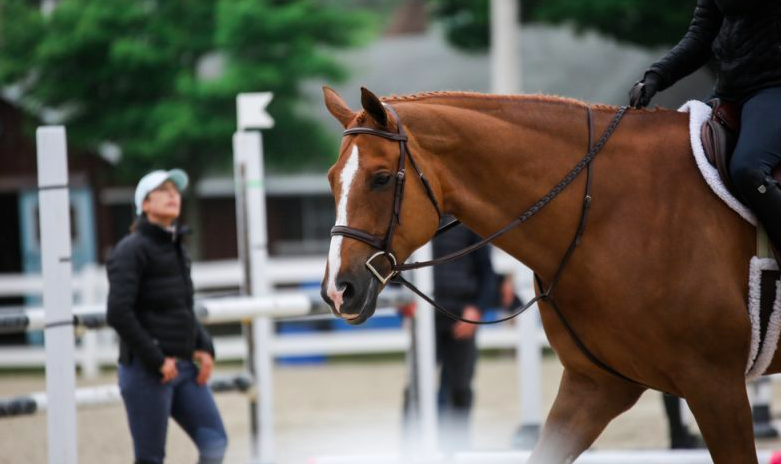
Despite its popularity, a baseball cap is far from an ideal choice for sun protection for equestrians.
When it comes to horses, equestrians understand the importance of the right equipment. One key - but often overlooked - piece of gear is a good sun hat. However, many may wonder: why not just use a baseball cap? After all, it's lightweight, casual, and easy to find. Despite its popularity, a baseball cap is far from an ideal choice for sun protection for equestrians. Here's why:
1. Limited Coverage
A baseball cap provides minimal sun coverage, primarily shielding only your forehead and a small portion of your face. For equestrians, who are often exposed to long hours of direct sunlight, this is simply not enough. The cap's narrow brim leaves your ears, neck, and sides of your face unprotected, which are areas prone to sunburn and even long-term damage from UV rays.
Wide-brim hats like Riatas are designed to offer better all-around protection, shading not just the face but also the back of the neck and ears, which are highly susceptible to sun exposure.
2. Sweat and Overheating Issues
Baseball caps are typically made of cotton or synthetic materials that trap heat and moisture. When out in the sun, this can lead to discomfort and overheating, especially during extended periods of outdoor activity. The materials in most baseball caps do not provide adequate ventilation, which is essential for staying cool under the hot sun.
In contrast, Riatas are designed with breathable materials and ventilation to wick away sweat and help riders stay cool and comfortable.
3. Style vs. Functionality
While baseball caps are fashionable and casual, they are primarily designed for activities with shorter, less intense sun exposure, like a baseball game or a quick jog. Equestrian sports, however, demand practical gear that combines both sun protection and safety. Wearing a hat like Riatas that are specifically designed for extended time in the sun ensures that you’re protected from the sun.
Conclusion: Choose the Right Gear for Equestrian Activities
While baseball caps may seem convenient, they are not designed to offer the level of sun protection that equestrians need. For riders who spend hours in the sun, a wide-brim hat is the smarter, safer choice. Riata hats provide full coverage, UV protection, and proper ventilation, ensuring that you can enjoy your time at the barn without worrying about sun damage.
Sun Exposure: More Than Just a Nuisance for Equestrians
For equestrians, the connection between rider and horse is paramount. Ensuring your own comfort and safety, particularly in the face of sun exposure, is a key part of taking care of yourself as an athlete and a rider.
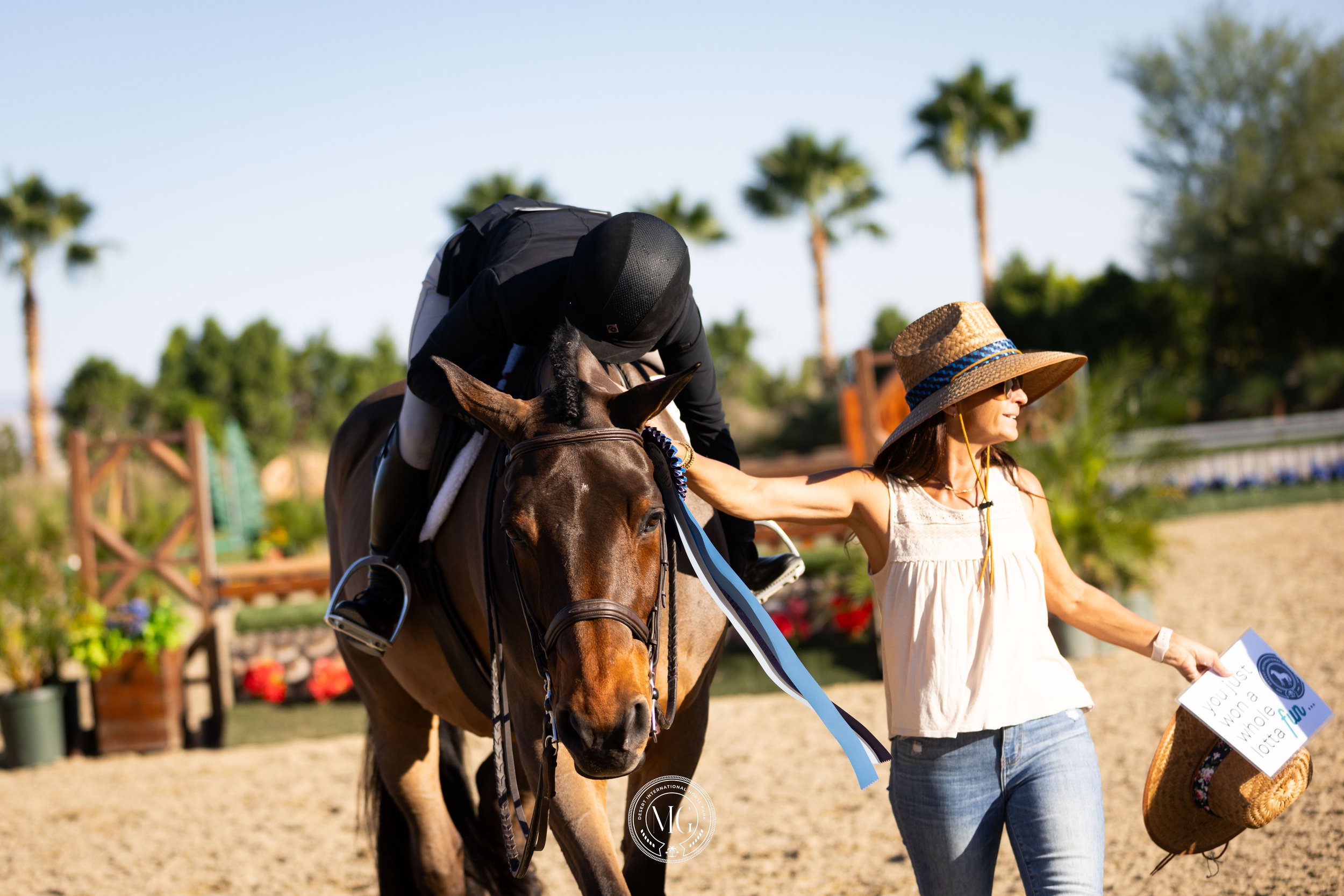
Whether you're an equestrian who spends hours training or a leisurely rider, spending extended time outdoors is part of the experience. The thrill of horseback riding often means spending long hours under the open sky, with the sun bearing down. While it’s easy to get caught up in the excitement of being at the barn, one crucial piece of gear often gets overlooked: a sun-protective hat.
In this post, we’ll explore the reasons why every equestrian should prioritize wearing a hat for sun protection, the risks of overexposure to the sun, and a Riata can make all the difference.
1. Sun Exposure: More Than Just a Nuisance
Horseback riding often requires spending hours outside, whether in an open arena or on a trail. While the sun can be inviting, prolonged exposure can lead to several harmful effects. The most immediate concern is sunburn. The ultraviolet (UV) rays from the sun can cause skin damage even on overcast days, leading to painful burns that can make your time in the saddle uncomfortable.
But beyond the immediate effects, chronic sun exposure increases the risk of skin cancer, particularly melanoma, the most serious type of skin cancer. According to the Skin Cancer Foundation, just one blistering sunburn in childhood or adolescence more than doubles your chances of developing melanoma later in life.
For equestrians who ride frequently, the face, neck, and ears are especially vulnerable, as these areas are directly exposed to sunlight. Wearing a wide-brimmed hat can help shield these sensitive areas from harmful UV rays.
2. The Heat Factor: Staying Cool in the Saddle
Wearing a Riata doesn’t just protect you from UV rays—it also helps regulate body temperature by providing shade. Prolonged exposure to direct sunlight can lead to heat exhaustion or even heat stroke, both of which are serious conditions that can compromise your health and riding performance.
A well-ventilated, lightweight hat can offer much-needed shade to keep you cool during long days at the barn or show, preventing your body from overheating. Staying cool also means you can ride for longer without the discomfort that heat exhaustion can bring.
3. Choosing the Right Hat: Style and Functionality
When it comes to choosing a sun-protective hat, not all hats are created equal. Here are a few features equestrians should look for:
Wide Brim: every Riata extends at least 3 inches to provide adequate coverage for your face, neck, and ears.
UPF Rating: Look for hats with a high Ultraviolet Protection Factor (UPF). All Riatas have a UPF rating of 30 or higher - ideal for maximum sun protection.
Breathability: Riatas are made with materials that allow airflow, such as straw and lightweight, moisture-wicking fabrics, to keep your head cool.
Chin Strap: A secure fit is crucial, especially when you're handling horses. Our chin straps will ensure your hat stays in place.
Remember, wearing a helmet is essential for safety while riding, but incorporating a Riata for times off the horse or when engaging in other outdoor activities can complement your overall protection strategy.
5. Sun Protection Beyond the Hat
While wearing a sun-protective hat is a critical step, equestrians should also consider additional protective measures. Sunscreen is a must for exposed skin, especially on areas like the back of the neck, hands, and any parts of the face that aren’t covered by your hat. Sunglasses that provide UV protection are also a smart addition to your sun-safety kit.
Long-sleeved, moisture-wicking shirts with UPF ratings can provide an extra layer of protection, allowing you to enjoy your time with your horse without worrying about sun damage.
Final Thoughts
For equestrians, our horse’s wellbeing is paramount. Ensuring your own comfort and safety, particularly in the face of sun exposure, is a key part of taking care of yourself as an athlete and a rider. Wearing a hat that offers adequate sun protection not only reduces your risk of skin damage but also enhances your overall riding experience, allowing you to stay focused and enjoy the freedom that horseback riding offers.
Don’t let sun exposure saddle you with discomfort or long-term health risks—grab a hat and ride confidently into the sunlight.